
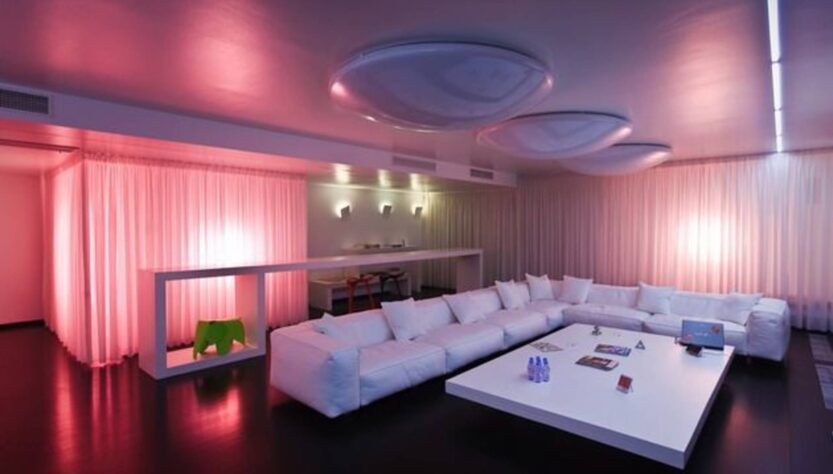
The purpose of lighting is more than that. It creates the experience of a room, the experience of how it works, and the movement around it. A cozy atmosphere can be created by means of a warm glow, and a more intense installation can enhance concentration and assist with everyday activities. Several design enthusiasts turn to companies such as Arteriors to get ideas on how to use lighting to add beauty and functionality to the home.
Lighting defines the mood of a room
Upon entering a room, it is easy to notice the mood first before other things. Lighting contributes to a large part of such a first impression. Lighting in a bedroom can be soft, so it makes the room relaxing. A kitchen can be clean and active with a brighter, more open atmosphere. Layered light can provide comfort and warmth in a living room.
This is one reason why the lighting must be included in the design plan early on. It influences the appearance of colors, the presence of textures, and the warmness of a room during the day. A gorgeous space is flat even when the lighting is missing.
Considerate lighting assists in making a room basic to memorable. It provides the space with personality and makes people comfortable.
Form is as Important a Style as Style
A designed room must be attractive, but must also be usable. Lighting can make that happen. In work-intensive areas like kitchens, home offices, and bathrooms, individuals require a source of light that promotes clear vision and comfort. In rest areas, the mission is usually less aggressive and more laissez-faire.
The most efficient rooms have purposeful lighting. A reading chair is supported by a table lamp. A pendant above a dining table could help to characterize the space and enhance its utilization. A hall light can lead traffic and help to make the space look more complete.
Daily life can be simplified when decisions about lighting correspond to how that room is used. The room is more natural, more practical, and more pleasant.
Light and Light Layer Cause Harmony
A single source of light is not sufficient to highlight a room. Adding light will add depth and flexibility. This generally involves overhead lighting with accent lighting and task lighting.
Overhead fixtures serve to illuminate the entire room in a wide area. Task lighting aids a certain activity, like reading, cooking, or a job. Accent lighting focuses on artwork, shelves, or architectural elements. These layers combine to provide a comfortable environment.
Layered light also enables a room to change during the day. Bright light can be very nice in the morning, and more diffused light can be more comfortable in the evening. This freedom allows a home to be more sensitive and occupied.
Lighting Can Be used to highlight design elements
It is not unusual to find details worth noting in a room. This may be a wall that is textured, a favorite work of art, or an eye-catching piece of furniture. Lighting makes these details shine out in a natural manner.
The right fixture may also be used as a design feature. A chandelier sculpture, a smooth floor lamp, or two wall sconces can create form and interest even when the lights are off. These elements are used to connect the room and provide it with a more prominent perspective.
One of the simplest methods to introduce visual interest is lighting, without saturating a room with objects. It can uphold the design, but it still has a practical use.
Various Rooms will require various lighting options
The needs in a home are unique to each room. In a kitchen, clean, even light is frequently suitable to aid in cooking and cleaning. A bedroom generally lends itself better to softer lighting that can assist one in relaxing. Entrances require sufficient brightness to be comfortable and inviting, and dining establishments tend to be most comfortable with a warm and directed light.
Due to the purpose of each room being different, the lighting must be different. It can be beneficial to consider the ways the room is used both in the day and at night. It is also beneficial to think about the people who use the space and what sort of mood is appropriate at that location.
A generalized solution hardly ever succeeds. Good lighting is a sense of place: to the room and its occupants.
Light Changes the Sensation a Home Has with Time
The light in nature varies with the time of day, and artificial light is used to supplement this shortfall. Brighter light in the morning can be used to aid energy and concentration. Later light in the evening can make the home calm and relaxed. This change is important as it influences comfort in minor aspects.
Season changes can also be assisted by lighting. The warm indoor light during the darker months of the year can make a home warmer. Even in the brighter seasons, layered lights are still used to give the impression of completeness to rooms, even after the sun sets.
Since lighting is an everyday experience, a greater impact is accrued over time. Minor changes could help make a significant difference in how a home will feel week after week.
A Better Way to Design
One of the most useful aids in designing a house is lighting. It creates mood, aids functionality, and makes each room feel more complete. It has the potential to enhance the appearance and texture of a house without overdoing the space.
An intelligent lighting design does not have to be complex. It begins with listening to the usage of each room as well as what type of atmosphere is appropriate. Then, the right fixtures and layers may make the home look balanced, friendly, and pleasant to reside in.